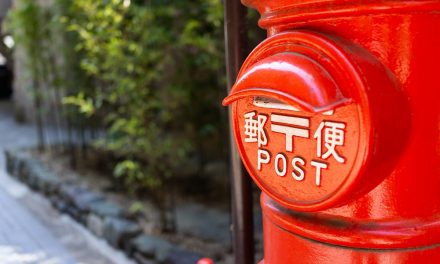




Japanese gov’t may retain stake in postal service
The government is considering retaining certain rates of equity stake in Japan’s postal services even after they are privatised, government sources said.
The plan is meant to ensure universal service of the highly public postal services remains in line with the Universal Postal Convention, of which Japan is a member.
Article 1 of the postal convention says postal services should be provided permanently and at reasonable costs in any postal territory the convention covers.
In addition, Japan Post, the public entity that runs the country’s postal services, is legally required to provide universal service, which includes having post offices in all municipalities and charging uniform fees across the country.
But many post offices are located in underpopulated areas, making Japan’s postal business unprofitable for many years.
Japan Post was created in April 2003 to take over three postal services — mail delivery, postal savings and life insurance –from the government’s Postal Services Agency. Prime Minister Junichiro Koizumi’s Council on Economic and Fiscal Policy has called for the entity to be privatised in five to 10 years from 2007.
If Japan Post is placed under completely private management, it will probably withdraw from unprofitable areas, compromising the principle of universal service.
The Finance Ministry is expected to oppose any move to use public funds to ensure universal service for the postal sector, given the debt-ridden state coffers. As of the end of March 2003, Japan’s national debt reached 670 trillion yen.
Under the circumstances, the government is likely to promote streamlining postal services in urban areas in return for allowing unprofitable rural postal networks to be maintained from the principle of universal service, the sources said.