



SPECIAL REPORT – FULFILMENT: Receiving end
The tenet that the customer is always right does not seem to have permeated the home delivery sphere, with many packages turning up at unspecified, inconvenient times. But with new entrants raising standards, the old school may be forced to mend its ways. By Ben Massey
Home shopping may be big business, but it is no longer the sole domain of big businesses, with everyone from Amazon to the local corner shop now offering an online or catalogue shopping experience. But while the rest of the retail world has been moving speedily towards home shopping solutions, it would seem that most delivery companies have been standing still.
Home shopping exists to cater for consumers who are too busy to visit the high street, so it should come as no surprise that they may not be able to wait at home all day to receive a package.
"UK carriers are going to have to face up to the fact that they're no longer operating in an age where households are occupied all day to take deliveries," says Theresa Barker, head of client retention at NCH Marketing Services. "Even people who don't go out to work are too busy getting on with their lives to sit in and wait for them."
According to Richard Roche, head of multichannel retail at Royal Mail, the postal operator is taking a number of measures to combat concerns about antisocial delivery times. "As well as offering a variety of delivery speeds, including guaranteed delivery by a certain time during the day, we have been at the forefront of developments to ensure convenience," he says.
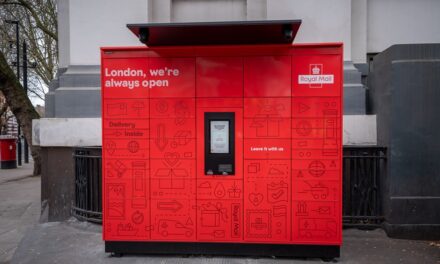
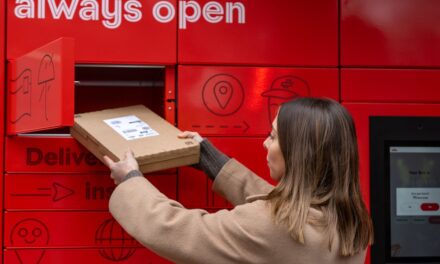
One such development is Local Collect, Royal Mail's current solution to the problem of inflexible delivery options. Launched nearly four years ago, Local Collect enables most Post Office branches to hold undelivered packages, allowing the 93 per cent of people living within a mile of their local Post Office to collect the package at a time that suits them.
Roche adds: "Retailers can offer this as a point-of-order solution for customers who know they are not going to be home to receive the item."
This service does not necessarily sound like the height of convenience; customers have to pick up the delivery for themselves, which is exactly what they wanted to avoid in the first place. And, while some people may be able to pick up packages after office hours at Post Offices linked to convenience stores or newsagents, many collections will have to wait until the weekend. If a package is particularly urgent, this will be unacceptable. There is also a 50p charge and a further day's wait to have an item delivered from a head office to a local branch.
So it seems that, although Local Collect makes some effort to bring people and their packages together, it does not fully address the snags inherent to deliveries.
Other attempts at improvisation have been less successful. Stewart Oxley, sales director at Diss Promotional Services, says: "Having secure boxes built into the walls or garages of houses; sinking a secure 'safe' into people's gardens; having parcels left at nearby convenience stores – these have all been tried with limited success."
He adds: "The big problem is that you are trying to change people's behaviour, and no one wants to amend their basic habits to the degree of having to call into the local BP garage on the way home to collect their parcels."
The fact is, people expect deliveries to come to their homes. If occupants are not around during normal office hours, then carriers should look at changing their delivery times.
"Why can't deliveries be made in the evenings?" asks Barker. "That's when people are at home. Many other industries have adapted to 24-hour customer service – supermarkets, petrol stations, catalogue companies. Even banks offer late-night phone and Internet services – and they used to be notorious for their short hours of business."
A number of companies relatively new to the home delivery arena are providing a far more efficient, convenient service than some of the old hands – including more flexible opening times.
"Timed delivery slots, with carriers phoning ahead on the delivery day and specifying a two- to four-hour window, have been introduced as standard practice for items such as furniture or electricals," comments Keith Jordan, fulfilment director of Zendor.
Although there is not always a next-day delivery slot available from companies offering shorter delivery windows, the option is still often preferable to a day-long wait indoors or a trip to a collection point.
The apparent lack of flexibility on the part of the more established suppliers seems odd, given that most of them have the infrastructure in place to provide a significantly improved service.
"All commercial carriers have local depots that could deliver at set times in most regions," confirms Martin Smith, managing director of Millennium. "It's ironic that six of the biggest mail order companies find delivery logistics harder than some of the newest entrants in home shopping. Tesco and Sainsbury's manage to keep to specific delivery times, yet the sellers of high-ticket items are unable to be any more specific than naming delivery days – and sometimes even these are missed."
With the proven success of some inhouse delivery programmes, Barker warns that carriers cannot afford to rest on their laurels: "I can't understand why a bespoke time slot delivery service is not a top priority for delivery services. If they're not up to it, more and more companies will go the route of supermarkets and fulfil demands themselves."
Unfortunately, cost is inevitably a large consideration for both companies and customers when deciding which type of delivery to opt for. While it is easy to grumble about unspecified times and missed deliveries, a free or cheap delivery option will often be the popular choice for both parties.
"Customers don't want to pay a fortune for time-specific slots," explains Oxley. "Paying up to #3 for a delivery that is insured and will arrive within 48 hours is fine, but to add a 'before 10am' option will easily double or triple the price."
Ian Dignum, sales director at Prolog, argues there is only one answer: "The only way a delivery can be made on a specified day is by using a next-day service, which Royal Mail offers. It may not have a vast range of delivery options, but Royal Mail is still the most cost-effective way for companies to deliver."
Oxley admits that the consumer experience is not usually top of the agenda when it comes to planning delivery arrangements. "The main driver for most clients is speed of delivery and cost. Consumer accessibility is usually secondary," he says.
However, retailers and delivery companies alike should start to feel the pressure as consumers become accustomed to the time-slot services being offered by more conscientious operators. Perhaps it will take this kind of jump in consumer expectations to force improved delivery provisions.
This, in turn, should have an impact on service level agreements. "Once volume and demand are at a high enough level, retailers will be able to negotiate agreements with carriers and drive prices down," predicts Jordan. "Instead of incurring a premium cost, greater choice in delivery options to match consumers' busy lifestyles will gradually become a matter of course."
And, with the threat of increased competition, companies should realise the benefits of offering customers as much choice as they possibly can. As Smith notes: "The priority for all companies must be to give customers the best possible service, not what is most convenient to them. Those that get it right will create real stand-out."
Gathering more information on customer habits and preferences would offer companies valuable insights into the best possible delivery options for their target audiences. Jordan explains: "Some retailers already include a questionnaire in their delivery parcels for this purpose. They can then tailor their customer service programmes to meet requirements."
And with so much choice now available to consumers, delivery options are likely to become part and parcel of the decision process for which retailers to use. As such, more flexible services will be vital to stay ahead of the competition.
As Dignum sums up: "The winners in the fight to retain customers will be those that offer the systems, solutions and delivery choices that meet the expectations of a new breed of consumer – a consumer that expects a better service."