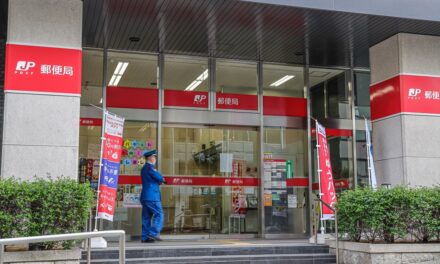




Japanese LDP pledges to pass postal privatisation plan in next Diet
The Liberal Democratic Party is pledging in its policy platform to pass in the next Diet session the postal privatization legislation defeated in the upper house earlier this month.
“Postal privatization is the main issue in the lower house election,” Prime Minister Junichiro Koizumi told a news conference Friday at which he unveiled the party’s policy outline. He dissolved the lower house Aug. 8 in response to the upper house rebuff, setting the stage for a Sept. 11 general election.
Should the LDP and coalition partner New Komeito be able to secure a majority in the lower house, Koizumi said the postal bills would be resubmitted in a special Diet session to convene within 30 days of the election. The legislation calls for spinning off Japan Post into four companies in April 2007, with full privatization taking place by 2017.
But the composition of the upper house will remain unchanged, and the bills could be voted down again.
“The party’s pledges apply to both lower and upper house members,” Koizumi said. “I firmly believe that the upper house dissenters will cooperate.”
The opposition Democratic Party of Japan is pledging to downsize the postal savings and life insurance operations through such measures as lowering the limit on deposit balances. But the DPJ plan would maintain the postal operations as part of a public entity for the time being, in contrast to the privatization initiative backed by the LDP and New Komeito.
On pension reform, the LDP platform promises to consolidate the mutual aid pension programs for civil servants and the employee pension program for salaried workers. But it does not include the basic public pension program, which covers the self-employed and others. While Koizumi has said in Diet deliberations that an “eventual comprehensive consolidation that includes the basic public pension plan would be desirable,” many within the party have expressed reservations.
With the DPJ calling for a full consolidation of the pension programs, pension reform is likely to become a core issue in the election. The DPJ is proposing the adoption of a consumption tax whose revenue would be earmarked for pensions.
The LDP platform outlines plans for fundamentally reforming the tax system, including the consumption tax, by fiscal 2007. And it expressly opposes the Tax Commission’s proposal to raise taxes on salaried workers.
In administrative reform, the LDP pledges to slash overall personnel costs through net reductions in civil servant staffing at the national and regional levels. The draft platform included a pledge to reduce personnel costs for national civil servants by more than 10 per cent in five years, but this was omitted from the final version. The DPJ platform promises a 20 per cent cut in personnel expenditures for national civil servants.