



Saudi’s postal delivery system being modernised
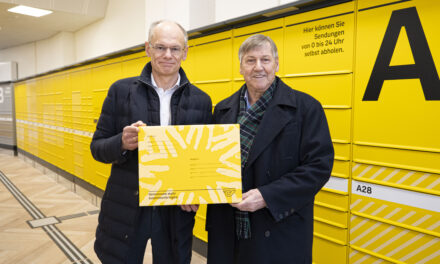
Saudi Arabia is getting ready for home delivery of mail. The kingdom’s entire postal delivery system is being modernised. Mailboxes have been put up almost throughout Jeddah, and in an effort to make the system smoother, Jeddah Municipality plans to overhaul the city’s street-naming system.
Jeddah’s streets currently have names, districts are numbered and buildings have numbers, though not always displayed. The current system is confusing, and since most people get mail delivered at office addresses or at post offices, so far there has little need for a clearly defined address system.
The plan envisages a more organised numerical system that would fit in with the kingdom’s new postal system.
Husain Al Hijari, head of the municipality’s naming and numbering department, assured that after implementing the new address system, people would find it much easier to identify their way and reach their destination through the clear and organised signs and structure numbers. He said that the numerical address system started more than 29 years ago, but it stopped because people did not understand it.
“There should have been a comprehensive awareness campaign to teach people how to use the system instead of identifying locations through landmarks or structures,” he added.
“Now that the project has started again, there would be more education in schools and to the public on how to use signs and numbers to identify locations around the city. Streets (rather than roads) will also be renamed and more clearly delineated,” Al Hijari said, and added that certain streets and alleys would also get signs explaining their historical significance.
Al Hijari explained that under the new system, main thoroughfares are called ‘roads’ and smaller routes will be ‘streets’. Some major streets have been renamed. For example, Prince Muhammad bin Abdul Aziz Street (more commonly known as Tahliah Street) is now Prince Muhammad bin Abdul Aziz Road. The same change was made to all major routes, such as Prince Majed Road, Sari Road and Palestine Road.
“According to the plan 16 ‘streets’ around the city have been changed into ‘roads’, which are also being numbered and tagged with different signs. Each sign, which is decorated in traditional Hijazi (western Saudi Arabian) motifs, will have a number that will indicate what section of a particular stretch of road is located in what part of the city. Each road will get its own distinct logo that will also be on the sign to help drivers know the street and the part of the city they are in. Numbers with two digits will grace roads running parallel to the coastline (roughly north-south) while numbers with single digits will be used on roads running perpendicular to the coastline (east-west).
“This would make it easy for everyone to locate the geographical path that they are driving on,” he said.
The city will be divided into four quarters that will meet at the Al Bai’ah roundabout in downtown Jeddah. Each quarter will be divided into four sub-sections. Residences will get a more formal numbering system that will ascend out from the city centre. This will make it easier for residents, especially in apartment buildings, to know their residential mailing address once the new Saudi postal system goes into full swing.