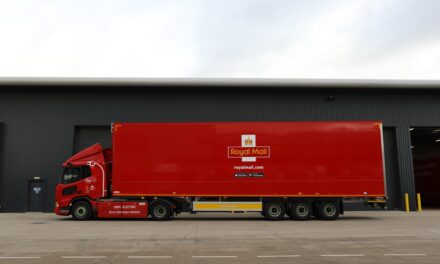




New strike threat is looming for Royal Mail
Royal Mail faces a fresh wave of industrial action, only months after the end of one of the biggest strikes to hit the postal service in years.
The Times has learnt that unions have rejected the postal group's plan to overhaul its pensions scheme and are poised to ballot nearly 150,000 members over whether they back the plan or not. Last year, postal services were crippled by several days of national strikes in a long-running dispute over pay and working practices.
Royal Mail said a year ago that it intended to close its final-salary scheme to new employees and to raise the retirement age from 60 to 65. It then proposed ending the final-salary scheme for all employees and creating a career average plan, which would be linked to the retail prices index.
When last year's dispute over pay was settled, Royal Mail agreed to continue talks with the unions over pensions, but they have failed to make progress after nearly four months.
The Communication Workers Union (CWU), which represents postal workers, and Unite, which represents postal managers, will start to ballot their members shortly. If, as officials believe, the pension plans are rejected in the ballots, a subsequent strike vote would be virtually certain. The unions are recommending rejection of Royal Mail's plans.
The threat of fresh strike action comes as Royal Mail is under increasing attack over the shutting of 2,500 post offices. The closures, which are being rolled out regionally, have hit London, sparking growing complaints that profitable, popular offices are being shut. There are also complaints over the consultation period, which lasts only six weeks.
Postal union members are likely to feel aggrieved that they are facing a deterioration in their retirement benefits while the pensions of other public sector workers have been protected by the Government.
If postal workers and managers strike, Royal Mail would find it difficult to offer any service. In previous disputes, it has relied on managers to keep some operations running.
Results of the ballots will be declared days before Royal Mail plans to implement the pensions changes at the start of April.
Businesses and households will be furious if there is fresh disruption. A large number of companies switched to rivals or paperless billing during the last dispute. Royal Mail said that the dispute had cost it GBP 10 million in revenue but that the real cost would not be known until it became clear how customers had changed their postal habits.
The group has said that its pension deficit stands at GBP 5 billion, which it is trying to pay off over 17 years. Its pension costs have risen by GBP 193 million a year to GBP 722 million. Royal Mail operates one of the largest pension schemes in the country, with more than 450,000 retired and working members.
A spokesman for Royal Mail said that the CWU had agreed last autumn to support changes to the pension plan “as part of a wider agreement on pay, modernisation and pension reform. And these changes, which we have told our people about, are in line with those agreed with the CWU last autumn, and are necessary if we are to achieve the best possible pension plan that the company can afford.”
The company has partly blamed pension contributions for profit slides in the past two years, down a third to GBP 223 million to the end of March last year. Despite this, Adam Crozier, the chief executive, received a GBP 469,000 bonus, taking his total remuneration to GBP 1.3 million, an increase of 16 per cent on the previous year.