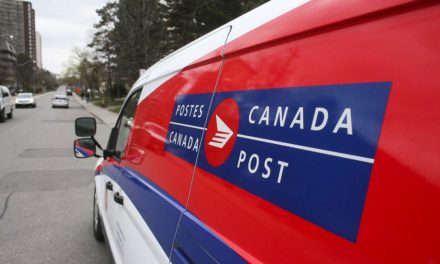




Canada Post Responds to Cost Pressures with 2009 Pricing Strategy
In response to rising cost pressures, Canada Post is proposing an amendment to the Letter Mail Regulations to establish the rates of postage for domestic Lettermail for the next three years. The domestic Lettermail rate would increase from 52 to 54 cents in January 2009. The rate would rise by two cents per year in the following two years. Even after these rate increases, Canada will continue to enjoy the 3rd lowest rate of postage in the developed world.
Under the current Letter Mail Regulations, increases in the domestic basic letter rate have been restricted by a price-cap formula that limits increases to two-thirds the rate of inflation as reflected by the Consumer Price Index (CPI). The CPI has increased 14.5 per cent since 2002, while the price of a basic stamp has gone up only 8.3 per cent or 4 cents. This does not adequately reflect Canada Post’s costs in operating the postal service – in particular rising costs for labour, fuel and transportation.
Other rate adjustments for regulated products announced in the Canada Gazette include a 2-cent increase to 98 cents for letters, cards and postcards up to 30g destined for the USA; and a 5-cent increase to CAD 1.65 for letters, cards and postcards up to 30g to foreign destinations.
Price adjustments will also be applied to non-regulated products. Publications Mail rates will increase by an overall weighted average of 3.1 CAD along with the introduction of a distance-based Letter Carrier Pre-sort price structure. Canada Post will also introduce a new formula to calculate the existing Parcel Fuel Surcharge.
1 CAD = 0.991926 USD In response to rising cost pressures, Canada Post is proposing an amendment to the Letter Mail Regulations to establish the rates of postage for domestic Lettermail for the next three years. The domestic Lettermail rate would increase from 52 to 54 cents in January 2009. The rate would rise by two cents per year in the following two years. Even after these rate increases, Canada will continue to enjoy the 3rd lowest rate of postage in the developed world.
Under the current Letter Mail Regulations, increases in the domestic basic letter rate have been restricted by a price-cap formula that limits increases to two-thirds the rate of inflation as reflected by the Consumer Price Index (CPI). The CPI has increased 14.5 per cent since 2002, while the price of a basic stamp has gone up only 8.3 per cent or 4 cents. This does not adequately reflect Canada Post's costs in operating the postal service – in particular rising costs for labour, fuel and transportation.
With the proposed amendment, consumers and businesses will be assured of predictable rates for the next three years. Canadians can also continue to cushion themselves against increases in the basic Lettermail rate by purchasing the PermanentTM stamp, which is always valued at the going basic Lettermail rate. Based on existing postage use, the impact on the average Canadian household will be 95 cents per year.
Canada Post manages the biggest and most intricate transportation network in Canada. Any increase in the price of fuel and energy has a significant and adverse effect on every aspect of the company's operations. Canada Post has the nation's largest transportation fleet. More than 12,000 vehicles are used to transport and deliver the mail daily, traveling close to 170 million kilometres a year. Total annual transportation costs for the company are estimated at half a billion dollars.
Canada Post's cost to deliver each letter continues to rise. While the number of Canadian addresses increases by about 200,000 each year, each household receives less mail on average than in previous years. The costs for a letter carrier to walk down a street remain the same regardless of the number of pieces of mail delivered.
The financial objectives of the corporation are not being met solely through rate actions. Canada Post has embarked on a series of programs aimed at enhancing operational performance, increasing employee engagement, standardizing operating procedures and improving information systems. These efforts reduced costs by over $90 million in 2007. The company will continue to work on such productivity initiatives to leverage attrition in the future.
Other rate adjustments for regulated products announced in the Canada Gazette include a 2-cent increase to 98 cents for letters, cards and postcards up to 30g destined for the USA; and a 5-cent increase to CAD 1.65 for letters, cards and postcards up to 30g to foreign destinations.
Canada Post has also proposed to revise the specifications for oversize Lettermail, and to create new specifications and pricing for irregular oversize items. Oversize Lettermail will be split into two categories, based on the item's thickness, flexibility and shape. Canada Post is working with customers to mitigate the impact of these changes by giving them as much notice as possible and suggesting alternate packaging and shipping practices.
Price adjustments will also be applied to non-regulated products. Publications Mail rates will increase by an overall weighted average of 3.1 CAD along with the introduction of a distance-based Letter Carrier Pre-sort price structure. Canada Post will also introduce a new formula to calculate the existing Parcel Fuel Surcharge. A description of all price adjustments is outlined in the attached background document.
1 CAD = 0.991926 USD