


Just leave me an extra pint and a parcel please. The Post Office is milking more opportunities in its search for a wider delivery service
Just leave me an extra pint and a parcel please. The Post Office is milking more opportunities in its search for a wider delivery service, reports Michelle Stanistreet
From THE EXPRESS, May 6th, 2001
By Michelle Stanistreet
MILKMEN might be delivering a good deal more than bottles if a scheme being
piloted by the Post Office proves successful. People in Northampton are having
parcels delivered alongside their daily pintas. Consignia, as the Post Office is now known, is trying out a scheme with Express
Dairies to make the most of existing milk rounds. Milk floats have been
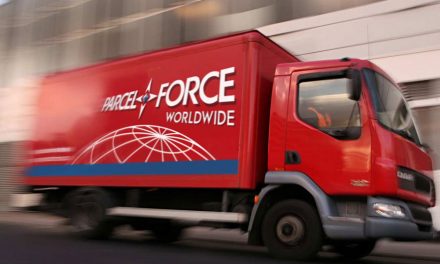
equipped with secure boxes to store packages sent through Parcelforce and the
Express roundsmen are delivering about 200 parcels a day. In order not to
disturb anyone's lie-in, milkmen are under strict instructions not to wake up
customers before 7am. Matthew Robertson, operations director at Express Dairies, is postive about the
scheme's potential. "It's about taking the good, old-fashioned milkmen and
trying to do more with them. Milk floats are environmentally friendly and
already deliver to homes up and down the country, " he says. The Express Dairies tie-up remains at the pilot stage but if the response is
good, Consignia will consider extending it. "It's going well so far but this is just one of the initiatives we are
trialling at the moment, " explains Nigel Moore, marketing manager for home
shopping at Consignia. "We're confident that the homeshopping market is set for a sustained period of
growth and we want to have as many options available as we can." Home shopping is worth about £10billion in sales but according to research firm
Jupiter, this is set to reach up to £25billion in the next five years,
primarily fuelled by the growth in Internet shopping. Moore is tasked with
developing a one-stop shop of delivery services. Consignia recently introduced delivery up to 9pm. Later this summer it rolls
out an initiative which will allow people to have parcels delivered to their
local post office – putting an end to the misery of waiting in for a delivery
van, or getting that familiar postcard that signals a trek to the depot. The scheme has been successfully trialled in the South-west, breathing new life
into post offices. According to Moore, the increase in customer turnout at the shops has been
significant. There are around 18,000 post offices in the UK, and 90 per cent
of the population lives within a mile of one. There is support within the
industry for the use of existing infrastructure, such as post offices and milk
floats, that can absorb the anticipated demand for more home delivery. The home-delivery sector has undergone a transformation in the past five years.
A promise of 28-day delivery from catalogue companies, which still account for
half the market, was the norm and customers seemed happy to wait for goods.
But since the Internet boom, people expect a speedier response. Pinpointing exactly what customers do want is something that is taxing minds in
the industry. Some Internet companies have used such gimmicks as "free" delivery to attract
customers to their sites. While this is not much of an issue for music and video sites, which mainly
plump for first-class mail that can be posted through people's letterboxes, it
can be a huge lossleader for other goods. As more traditional companies go for a clicks-and-mortar approach, thoughts are
turning to how to get the delivery part of the shopping experience right. Companies such as Superdrug and Arcadia are keen to ensure that they do not let
their brand values droop because of weak delivery. They also face the problem
of ensuring their Internet offering is consistent with prices and service on
the High Street. Tesco is one company forging ahead with its Internet ordering
arm. Its technology and delivery systems are acknowledged by the industry as a
success but in commercial terms it has also disproved its doubters by managing
to increase the average order value from around £25 to £70. According to a recent survey, people shopping direct are most concerned with
predictable delivery, followed up by a better returns process. At the moment,
catalogue companies see around two thirds of their returns done through post
offices because customers don't want to hang around waiting for the delivery
van to turn up a second time. There could be a long way to go before customers' expectations are properly met
– a recent Trading Standards Institute report revealed that 38 per cent of
orders did not arrive at the right time and 17 per cent failed to turn up at
all. For Moore, this all means flexibility is key. Offering people a range of
options is essential if they are to embrace all that home shopping can offer
them. Delivery could be to the home, office or to an alternative collection
point. There is even talk of pubs and petrol stations getting in on the act. In the next couple of years, delivery companies will use text messages to give
customers more accurate arrival times. And this is not limited to Internet
orders. With the advent of broadband, firms expect interactive TV to become a
massive direct-selling opportunity. Companies all have an eye on the future, when the Nintendo generation comes of
age. Moore says, "It's about trying to develop a flexible enough set of
options to suit different lifestyles. That is driving our strategy."
CAPTION: ALL WRAPPED UP: Milkmen are already delivering parcels along with the
semi-skimmed, yoghurt and orange juice in some areas<$>
CAPTION: DIRECT APPEAL: Prunella Scales in the Tesco ad
EDITION: 1ST
PAGE: 5
SECTION: FINANCETHE EXPRESS, 06th May 2001