


Two new Godzillas to emerge in Japan.(POSTAL BANKS)
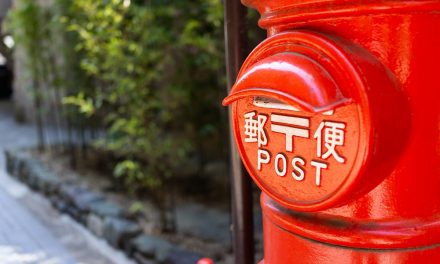
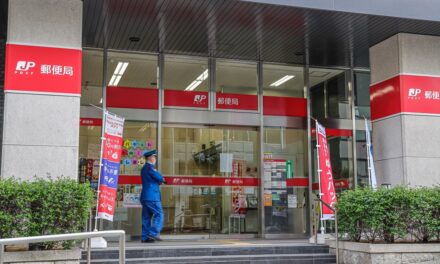
Japan’s largest bank and largest life insurer are to be formed by the break-up of the country’s post office, Japan Post, according to operational plans for privatisation presented to the government by the postal group.
Japan Post will be reorganised in October 2007 into a holding company with four operating units: banking, life insurance, mail delivery and post office management. Assets of the life insurance company will be about (yen) 114 trillion (USD1 trillion), more than double the (yen) 50 trillion of Nippon Life Insurance, the largest private sector life insurer. The postal savings bank will have about (yen) 227 trillion in assets, outstripping the country’s largest bank, Mitsubishi UFJ Financial Group, with its (yen) 187 trillion.
The new postal bank venture has been provisionally named Yucho Bank. It will have 233 branches in Japan and also operate through the nation’s 24,000 post offices. Currently, Japan Post holds a third of the country’s personal savings.
Share listing
Japan Post was created in January to direct the ten-year process of privatisation, the centrepiece of which will be the creation of the bank and life insurance companies. These are expected to list shares by 2011.
The bank that will emerge from the postal deposit company will expand its services to include housing loans, business loans to small and mid-size companies, credit card services and the sale of investment products and government securities.
The overall plan has been criticised by private sector banks and life insurers, which view it as representing unfair competition–much like French banks did right up until the launch of La Banque Postale at the start of this year. La Banque Postale distributes its products through La Poste’s 17,025 post office branches; in contrast, France’s largest retail bank, Credit Agricole, has around 9,100.
In Japan, the country’s banks argue that the two new financial services companies will effectively remain protected by the government, which will own all shares in the initial stage of privatisation.