



Consumer Scotland: the affordability of essential services, including postal services, is under increasing strain
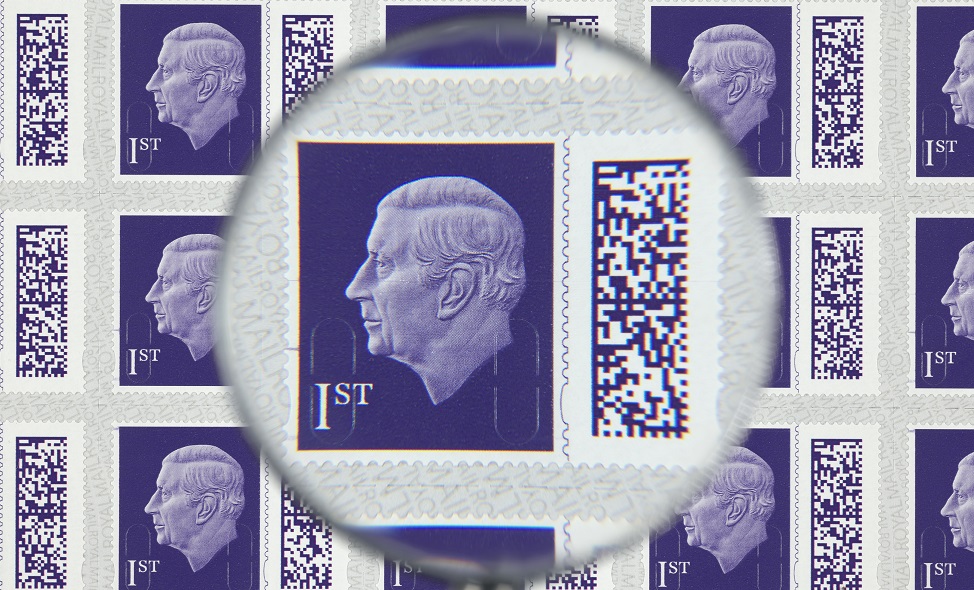
Ofcom has published a consultation on the future of stamp prices.
In recent years, Ofcom has imposed a safeguard cap on Second Class stamp prices while leaving Royal Mail with pricing flexibility for First Class. The current Second Class cap runs until March 2027 and Ofcom is considering whether a new cap should be implemented.
One initiative being considered is a targeted discount scheme for vulnerable customers to help those who face the greatest challenges in affording to send letters, but Ofcom’s Call for input says such a scheme could “allow either the removal of a safeguard cap or a more relaxed control”. First class stamps with no cap have increased by 124% between 2020 and 2025 while Second Class stamps have risen by only 34% over the same period.
Consumer Scotland is of the view that any new scheme for consumers on low incomes should be in addition to a Second Class cap to ensure affordability for all consumers.
Consumer Scotland Head of Post Grace Remmington said: “This review comes at a time when many consumers are facing sustained cost of living pressures, and the affordability of essential services, including postal services, is under increasing strain.
“Postal services play a vital role in linking consumers with the wider economy and they remain a critical means of communication, particularly for receiving mail such as medical appointment letters, social security information, and utility bills. For those who are digitally excluded or live in rural areas, reliable and affordable postal services are essential.
“However, the cost of postal services has risen sharply in recent years with increases in the price of both First and Second Class stamps. These increases have come at a time when the Royal Mail has repeatedly failed to meet its delivery targets.
“In addition, recent changes to the Universal Service Obligation have reduced service levels, including the move to alternate weekday deliveries for Second Class mail.
“The review proposes a targeted scheme to ensure people on low incomes can continue to access the postal service, but at the same time Ofcom has suggested it may consider changing or removing the current safeguard cap on the price of Second Class letters which provides important protections for all consumers.
“Lessons from other regulated markets suggest it is challenging to target support effectively to those on low incomes and we would be concerned about the affordability impact for consumers of any relaxation of the current Second Class cap. Any scheme to support low income consumers should be in addition to the Second Class cap and not a replacement.
“We will be responding to Ofcom on these points to ensure the consumer voice is heard in the review.”