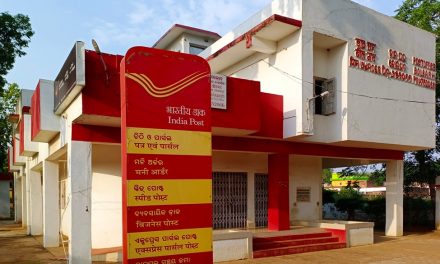




India Post fights to retain marketshare in small savings
minimum of seven lakh small accounts during the April-October 2007 period to commercial banks.
This has been primarily due to the postal department’s inability to offer market-related interest rates and the withdrawal of 10pct bonus on monthly income scheme (MIS).
This declining trend is, however, expected to change now.
The government has reintroduced the bonus on MIS from December 2007, albeit at a lower 5pct rate, and is going to make the five-year postal term deposits and senior citizen savings scheme eligible for tax rebate under Section 80C of the Income Tax Act from April 2008.
Small post office savings schemes include MIS (at 8pct interest rate), term deposits and recurring deposits (7.5pct interest), senior citizen savings scheme (9pct interest) and savings bank account (3.5pct interest).
Till November 2007, the fall in number of accounts is significant, especially in MIS and senior citizen savings scheme. MIS collection received the first blow in February 2006 when the government withdrew the 10pct bonus on maturity.
The postal term deposits and senior citizen savings had also failed to compete with commercial banks during the period under review as banks were offering significantly higher interest rate on deposits. For instance, the State Bank of India (SBI) was offering a 9.5pct annual rate for 4-5 years deposits while the postal term deposits offer just about 7.5pct per annum.
According to latest available statistics as of October 2007, the number of live savings accounts with the postal department’s West Bengal circle stood at 1.78 crore. This is compared to 1.85 crore live accounts as of March 31, 2007.
India Post’s West Bengal circle, the leading mobiliser of small savings, has lost a minimum of seven lakh small accounts during the April-October 2007 period to commercial banks.
This has been primarily due to the postal department’s inability to offer market-related interest rates and the withdrawal of 10pct bonus on monthly income scheme (MIS).
This declining trend is, however, expected to change now.
The government has reintroduced the bonus on MIS from December 2007, albeit at a lower 5pct rate, and is going to make the five-year postal term deposits and senior citizen savings scheme eligible for tax rebate under Section 80C of the Income Tax Act from April 2008.
Small post office savings schemes include MIS (at 8pct interest rate), term deposits and recurring deposits (7.5pct interest), senior citizen savings scheme (9pct interest) and savings bank account (3.5pct interest).
Till November 2007, the fall in number of accounts is significant, especially in MIS and senior citizen savings scheme. MIS collection received the first blow in February 2006 when the government withdrew the 10pct bonus on maturity.
The postal term deposits and senior citizen savings had also failed to compete with commercial banks during the period under review as banks were offering significantly higher interest rate on deposits. For instance, the State Bank of India (SBI) was offering a 9.5pct annual rate for 4-5 years deposits while the postal term deposits offer just about 7.5pct per annum.
According to latest available statistics as of October 2007, the number of live savings accounts with the postal department’s West Bengal circle stood at 1.78 crore. This is compared to 1.85 crore live accounts as of March 31, 2007.
Going forward, the postal department is expecting a larger flow of small savings following the dual measures taken by the government. “We are expecting to mobilise a significantly higher small savings in 2008-09. According to our internal assessment, the flow will increase after April,” a senior official with India Post told ET.
The department is putting its act together to accommodate the expected fresh flow of small savings from April 2008. Besides sensitising the large as well as smaller post offices, the circle headquarters in West Bengal is planning to supply a higher number of passbooks to each of its offices.
Last year, the circle faced a unique problem. The government had supplied a lesser number of passbooks than required and this had also hampered deposit mobilisation. To counter the non-availability of passbooks from the government printing press, the West Bengal circle has decided to print some 11 lakh passbooks in private printing presses for meeting the demand in the next three to four months.