


GEODIS achieves milestone in decarbonization
Mar 30, 2026 | E-Commerce, Sustainability | 0

GEODIS has taken a further step in the decarbonization of urban logistics by deploying delivery solutions using alternative energies in the city centers of 100 major French urban areas.
The achievement helps to reduce urban pollution, improve air quality, and limit greenhouse gas emissions. This strategic milestone marks the acceleration of a transformation initiated several years ago and confirms the Group’s ambition to become a leading player in sustainable urban logistics. The next phase is now aimed at expanding this initiative to the 200 largest cities in France by June 2027, representing a significant scaling up of the program.
The deployment is part of a rapid transformation of urban logistics, driven by European decarbonization ambitions and evolving societal expectations from communities and clients, alike. Increasing density in city centers, the rise of e-commerce, and the demands expressed by its clients—who themselves are committed to reducing their environmental footprint—have shown that mere regulatory compliance is not sufficient. It is therefore out of moral conviction, as much as operational necessity, that GEODIS embarked on this transition five years ago.
In these urban areas, GEODIS is redesigning its logistics models by combining vehicles powered by alternative energies, localized facilities, and cycle logistics, according to local circumstances. In Lille for example, the establishment of an operational base at the river port brings logistics flows closer to the city center. In Paris, a fully intra-city organization already enables 100% electric distribution.
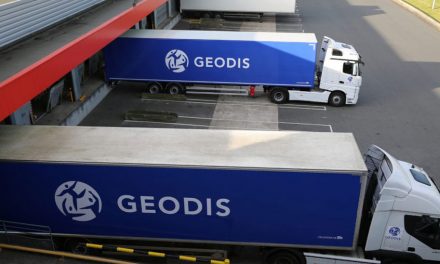
To support this transformation, GEODIS’s Distribution & Express business has been undergoing a profound modernization of its infrastructure. Today, it operates more than 700 vehicles powered by alternative energies, which already accounts for 15.6% of its urban deliveries. The goal is to reach over 3,000 alternative energy vehicles by 2030, ensuring the longevity of this transition and meeting the needs of cities.
The use of HVO, a renewable biofuel compatible with existing engines, enables emission reduction while ensuring suitable autonomy for long-distance routes. Initially deployed in the Paris region, this technology will gradually be expanded to the rest of the network.
“This milestone demonstrates our determination to sustainably support the dissemination of these decarbonisation efforts across France and to offer our clients innovative solutions suited to modern, responsible logistics. By now targeting 200 cities by 2027, we are pursuing our national ambition: to deploy, on a large scale, a more efficient distribution model that is fully integrated into the urban dynamics of tomorrow”, says Gilles Dêcher, EVP of Distribution & Express line of business at GEODIS Group.
Share: