



Post Office consigned to history: Workers deride name change and say 350 years of tradition are being dumped
The Post Office, one of the country’s more enduring institutions,
has given way to the pressures of an ever changing corporate world.
It yesterday announced plans to change its name to Consignia from
the end of March. Post Office, it explained, no longer adequately
described what it did.
John Roberts, its chief executive, was quick to point out that as
far as the general public was concerned there would be little
visible change.
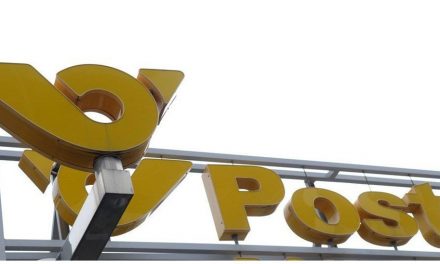
Its main brand names and logos will remain the same. The postman
delivering letters to the door will still work for the Royal Mail,
parcels will be distributed by Parcelforce Worldwide in its
distinctive vans and local post offices will still display the
familiar logo.
The change immediately came under fire from the Post Office’s own
workers, however. The Communication Workers Union pledged to
campaign against the decision, complaining that it was ‘dumping’ 350
years of tradition. Deputy general secretary John Keggie believed
the exercise was ‘rushed and ill-conceived’. He said: ‘We should be
trading on the British Post Office’s worldwide reputation.’
The driving force behind the name change has been the Post Office’s
determination to become a leading player in the international
distribution and logistics business. The new name is based on to
consign: to entrust to the care of.
The Post Office is a generic term which cannot be legally protected
and this was hindering its international ex pansion plans, the
organisation said. Overseas people inevitably referred to the
organisation as the British Post Office to distinguish it from its
local rivals.
‘We did not think British Post Office was as strong as Consignia,’
said Neville Bain, the Post Office chairman. ‘It would be
abbreviated to BPO and the branding consultants said that a word
which is recognisable and describes what you do is better than some
conglomerate of initials.’
The Post Office worked with consultants, Dragon, and ran focus
groups to judge reactions to various names. The words ‘British’ and
‘Royal’ got a poor reception. Other names were already registered or
meant something unacceptable in other languages.
The Post Office, which faces the rapid erosion of its traditional
letter monopoly in Britain, has spent pounds 500m during the past
two years buying foreign logistics and parcel companies, largely in
mainland Europe.
Mr Roberts said the Post Office would present itself as Consignia
overseas and to the big corporate customers who account for the bulk
of its business. It would also consider using Consignia as a brand
name if it moved into new markets.
Post Office executives stressed that the business was changing
rapidly. International operations account for about pounds 1.2bn of
its pounds 7.5bn turnover and would account for more in the years
ahead.
It is also turning to new activities such as call centres,
warehousing, logistics and collection points for goods ordered over
the internet.
The change is timed to coincide with the change in the Post Office’s
status to a government-owned public limited company on March 26. The
status gives it greater commercial freedom. Mr Roberts said the
organisation was spending pounds 1.5m in connection with the switch
to plc status, and that the name change would add a further pounds
500,000.
By comparison Andersen Consulting is spending pounds 100m on
promoting its name change to Accenture. ‘It’s the difference between
changing a corporate name and changing a whole brand identity,’ a
Post Office executive said.
The Post Office last week suffered its worst delays as a result of
rail repairs and floods.
Neville Bain, Post Office chairman, said Willesden, its main rail
distribution centre, was out of operation for days and even now was
only partly functional.
As a result, next-day delivery o