

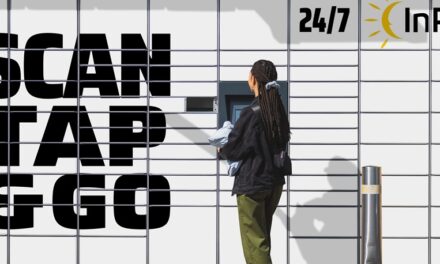



The Role Of European Post Offices
Noted this week is Richard Owen’s observations on “The Italian Perspective” in the Times.
Owen like myself, feels some frustration in the lack of thought when it came to revolutionising the UK’s postal network and, compared to the Italian model, postively backward.
The trouble is, attempts to make the most of the internet age and diversify in terms of products, has all been too little and too late for the Post Office. Declining mail volumes and the switch to online payments for road tax and direct state benefits have hit post offices very hard in a relatively short space of time. I cannot argue with the reasoning behind closures – they cost a fortune to maintain and many run at a loss, but we’re closing them because the network has simply bumbled along with insufficent thought to their long-term future. We also seem to be putting all our trust in a digital age when many areas of the UK (particularly rural) have little or no internet connectivity.
This all reminds me of a friend who lives not far away, in a more remote area of France. He often experiences complete power cuts – sometimes for several hours. Television reception is poor, the location impossible for a good line of sight for satellite reception, and entirely at the mercy of a local farmer who kindly erected a kind of makeshift booster mast made out of unwanted farming implements. It stands, somewhat embarassed, amongst a flock of bemused sheep. It works – when the weather is reasonable.
For many, a post office email service would be a lifeline, and use of the internet a real bonus. Cash machines too are few and far between and a post office network that was hooked into all the major banks would transform the role of post offices. Instead, the British see them as places to buy stamps and not much else.
Post offices have traditionally been community hubs and actually, whilst the technology may have changed, there is no reason why they cannot continue to be – and thrive.
Read More