



Why In-Night Deliveries Are Key to Keeping London Moving
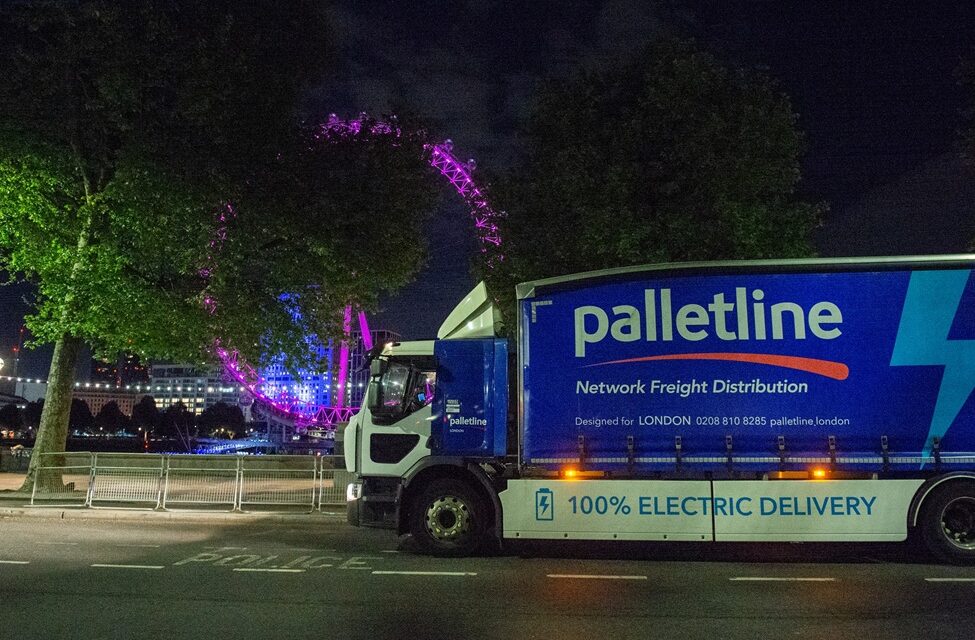
Ucal McLeod, General Manager, Palletline London on why in-night deliveries will play an increasingly important role in London’s logistics network.
London’s road network is under increasing pressure to accommodate the changing needs of the capital. As more space is allocated to pedestrians, cyclists and public transport, the way freight moves through the city will need to adapt. As such, in-night deliveries will have an increasingly important role to play in ensuring goods continue to reach their destinations efficiently, reliably and sustainably.
The pedestrianisation of Oxford Street brings this challenge to the forefront. As one of London’s most prominent commercial destinations and an important part of the capital’s transport network, changes to how the area operates will have wider implications for freight movements, delivery schedules and the use of surrounding roads.
For the logistics sector, this is not just adapting to one street. It is about recognising the changing demands resulting from an ever-changing infrastructure and finding practical ways to keep the capital supplied without adding unnecessary pressure to an already congested road network.
Congestion remains a massive challenge to operators delivering into London. During the day, freight vehicles must navigate busy roads, restricted access and increasingly complex urban environments. These conditions can cause numerous issues, not least increased journey times and restrictions on the number of drops that can be made.
In-night deliveries offer a practical alternative.
By moving freight outside daytime delivery windows, operators can better utilise available road capacity, reduce time spent in traffic and improve efficiency. With fewer vehicles on the road at night, journeys can be completed more quickly and predictably.
This becomes particularly relevant as pedestrianisation schemes change how vehicles access key areas of the capital. Where daytime access becomes more restricted, the ability to deliver at night can provide greater flexibility and help maintain the flow of goods into and around London.
However, the benefits extend beyond individual delivery routes. Making better use of the road network overnight can help distribute freight movements more evenly across the day, rather than concentrating them during the busiest periods.
Oxford Street is a clear example of how London’s streets are evolving to meet changing priorities. Creating more space for people to walk, spend time and travel sustainably can bring significant benefits to the urban environment. However, it also raises the question of how the goods required to support businesses will continue to move through the area.
The implications are not limited to Oxford Street itself. Changes to access and traffic movements in one part of central London can have an impact on routes elsewhere, placing additional pressure on surrounding roads. A more flexible approach to freight distribution will therefore be essential as such measures continue to be put in place.
In-night delivery is one way of addressing this challenge, helping operators avoid the busiest traffic periods, plan more efficient journeys through the city and make better use of vehicles, resources and existing infrastructure.
Reducing the time vehicles spend stationary in congestion can help improve fuel efficiency and reduce unnecessary emissions. More predictable journey times also support better route planning, allowing operators to make more effective use of their fleets.
At Palletline London, this approach is supported by continued investment in operational capacity, including additional warehousing space and a dedicated fleet of 30 vehicles, including EVs. This investment strengthens the business’s ability to support the growing role of in-night distribution while contributing to wider efforts to reduce the environmental impact of urban freight.
Electric vehicles have an important part to play in this transition, particularly as London continues to prioritise cleaner transport. Combined with efficient scheduling and better use of road capacity, they can help support a more sustainable approach to moving goods through the capital.
As London’s transport priorities continue to evolve, logistics operators will need to remain flexible.
In-night delivery should be viewed as an increasingly important part of the wider logistics strategy, offering a practical way to maintain reliable freight movements while making better use of the city’s road network.
Palletline London has been providing in-night delivery services for a number of years and the business has continued to invest in the resources needed to develop this capability and respond to changing conditions across the capital while delivering an efficient, reliable and responsible service.
Oxford Street is an important example of the direction in which London is moving. As the city seeks to create more accessible and pedestrian-friendly spaces, the logistics industry must adapt alongside it.
In-night delivery will not solve every challenge facing London’s road network, but it will play an increasingly valuable role. As the capital continues to change, the ability to move freight efficiently outside peak daytime hours will become ever more important to keeping London supplied and moving.