



Parcelhero: Iran war’s disruption of Strait of Hormuz shipping will lead to rising UK retail prices
The Iran war is already disrupting global supply chains and shipping routes for both sea and air freight, says the international delivery specialist Parcelhero. It warns that UK retailers and consumers may soon face higher costs, while UK exporters are likely to see rising prices for overseas shipments.
David Jinks M.I.L.T., Parcelhero’s Head of Consumer Research and former Editor of ‘Lloyds Shipping Index’, says: “The joint American and Israeli campaign against Iran has already driven up energy prices. Even if President Trump decides to end the conflict today, the damage has been done. Brent crude approached $120 a barrel on 9 March, its highest level since Russia’s invasion of Ukraine. UK wholesale gas prices spiked to 171p per therm, far above the typical 78–85p average expected during late 2025. Prices may now have fallen back slightly but supply chains will have to absorb those cumulative costs somehow.
“Beyond energy markets, the longer‑term effects on manufacturing and logistics are now beginning to emerge. Many major transport corridors have been heavily disrupted. The Strait of Hormuz, crucial for 20% of global oil shipments, is being avoided by most vessels. Reduced flows through this chokepoint are expected to raise Europe’s transport and logistics costs, hitting energy‑intensive industries such as chemicals and manufacturing across the UK and EU, ultimately raising prices.
“China is also likely to face significant challenges. It is particularly dependent on open access to the Strait of Hormuz. Around half of its oil imports pass through the Strait, along with essential minerals and chemicals such as naphtha and sulphur. Rising costs and supply volatility could lead to production cutbacks in China’s industrial supply chains, particularly in automotive and technology manufacturing.
“Any resulting shortages or price increases will eventually be felt here in the UK. Over 10% of all UK imports are from China and Britain imported nearly $100bn-worth of Chinese goods in 2024. To put it bluntly, while manufacturers and retailers will be the ones paying more for every container carried in the short term, in the long term it will be consumers who end up paying. From toys to electronics to furniture, expect prices to rise in the coming months. In other words, it’s Joe Public who will foot the bill for this conflict.
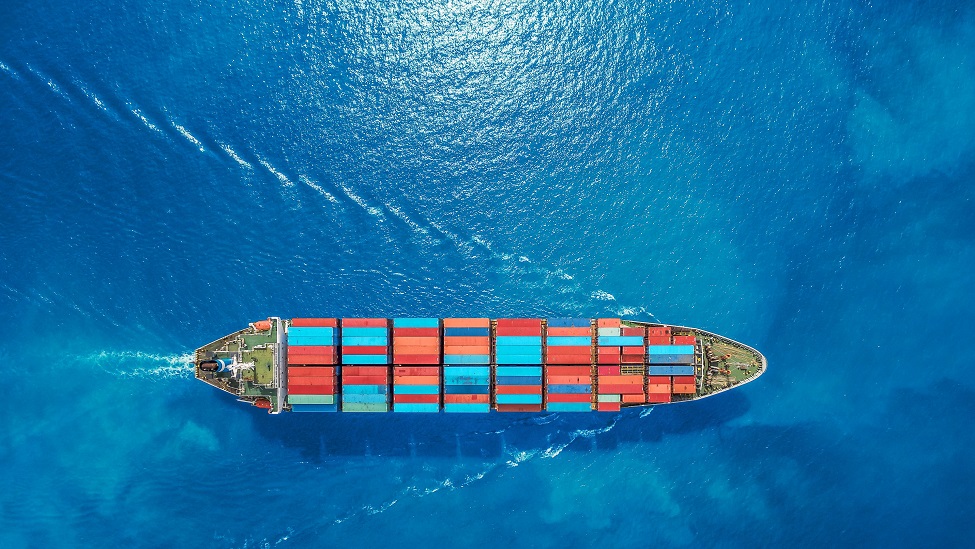
“The Middle East conflict is also causing congestion at ports far from the region as ships are rerouted. Maritime shipping faces a perfect storm as the conflict causes chaos in the Strait of Hormuz even as shipping lines were already avoiding the Suez Canal due to Houthi attacks. Significantly more shipping will now opt to sail around the Cape of Good Hope – a detour that is already now absorbing roughly 2.5 million TEUs of global container capacity and that will add 10-14 days and considerable cost to journeys.
“Key industries are also at risk. For example, South Korean officials warn that prolonged instability could disrupt supplies of semiconductor materials sourced from the Middle East, including irreplaceable helium – critical for chip manufacturing. That means the price of consumer electronics is likely to rise here in the UK.
“Air freight is, if anything, experiencing even more severe disruption than maritime shipping. Much of the region’s airspace was closed for a period, grounding aircraft and paralysing major hubs in Dubai and Doha. Around 40,000 flights were cancelled initially – the largest shock to global aviation since the Covid-19 pandemic.
“Remember that 54% of the world’s total air freight is actually transported in the bellyhold of passenger aircraft, rather than dedicated cargo planes. That means there has already been huge disruptions to international air freight. That’s why companies such as Adidas have already cautioned that air cargo shipments have been delayed.
“Air cargo capacity has been further squeezed by route restrictions and flight suspensions. Shipments of goods ranging from fresh produce to aircraft components are stuck, while freight rates continue to rise.
“That means it’s not only cars and electronics that will be impacted. Clothing shipments for retailers including Zara were stranded in Bangladesh and India as reduced cargo flights created backlogs. South Asia, a major apparel producer, supplies fast‑fashion brands with a steady flow of garments, making these disruptions particularly acute.”